
Blog
QR Code Cleaning Checklist: How to Implement It in 7 Days
QR workflows reduce ambiguity: scan, execute, document, and review. Here is a practical rollout sequence.
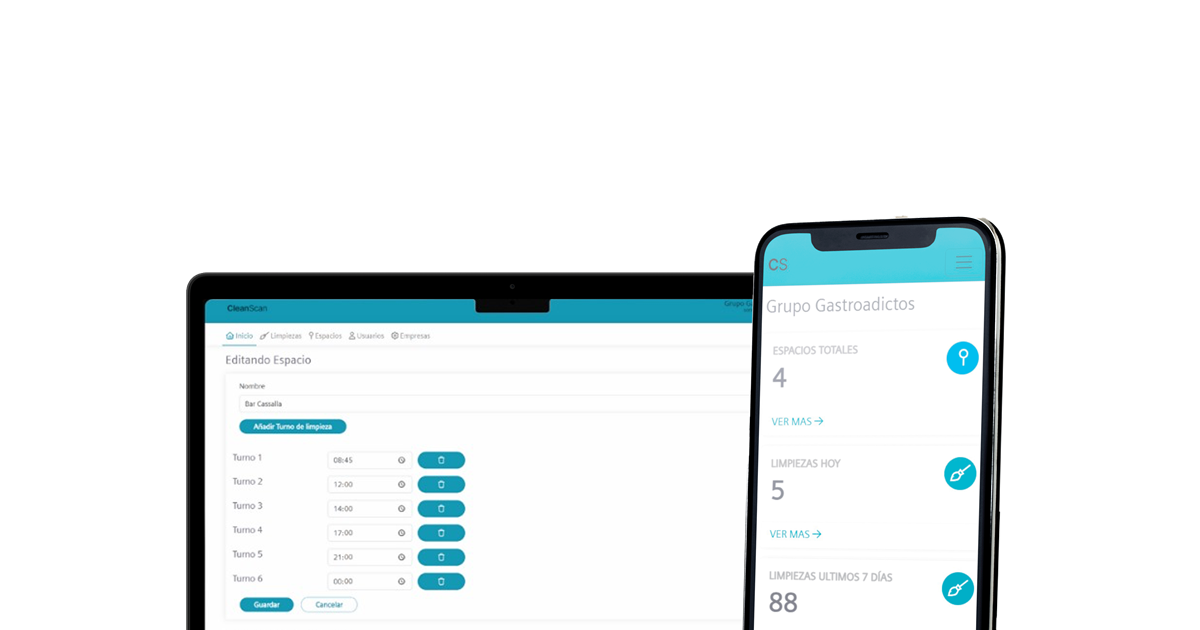
Day 1: Define pilot scope
Choose 1–2 locations and a limited number of high-impact areas (restrooms, reception, shared zones).
Day 2: Standardize checklists
Create checklist versions by area and frequency. Keep wording action-oriented and measurable.
Day 3: Assign roles and ownership
Clarify who executes, supervises, and validates completion. Ownership prevents execution gaps.
Day 4: Place QR codes and test flows
Ensure every code maps to the right checklist and that teams can complete tasks in seconds.
Day 5: Train teams in short sessions
Use short role-based training. Focus on speed, consistency, and escalation criteria.
Day 6: Run pilot and monitor exceptions
Track missed tasks, delays, and repeated problem zones. Fix process friction immediately.
Day 7: Review and scale
Publish pilot metrics, adjust checklist quality, and replicate the model across additional sites.
Frequently asked questions
How do QR cleaning checklists improve operations?
They give teams instant access to task-specific checklists and generate standardized completion records with less friction.
How long does implementation take?
Most teams can run a controlled pilot in one week if they start with 1-2 locations and clear operational owners.
Related guides
Deploy your pilot with CleanScan
We help you launch QR-based cleaning execution fast, with structured control from day one.
Request a demo